
Croatia has gone from a well-kept European secret to one of the continent’s most sought-after destinations — and for good reason. The Dalmatian Coast offers a combination that is hard to find anywhere else: medieval walled cities with centuries of layered history, islands scattered across waters so clear they look retouched, and a food and wine culture that rivals its Italian neighbors at a fraction of the pretension.
What makes Croatia special is the range. You can spend the morning walking along 1,000-year-old city walls, the afternoon swimming off the back of a sailboat in a secluded cove, and the evening at a cliffside table eating seafood that was in the Adriatic that morning. The coastline stretches over 1,100 miles, with more than a thousand islands, and the best way to experience it is to take your time and let each stop reveal itself.
Croatia is the rare destination where the history is as stunning as the coastline. The trick is giving yourself enough time for both.
When to Go
May through June and September through mid-October are ideal. The water is warm enough for swimming from June onward, the weather is reliably sunny, and the crowds have not yet reached peak intensity. July and August bring cruise ship traffic, packed Old Towns, and premium pricing — Dubrovnik in particular can feel overwhelmed. If you must visit in summer, mornings and late evenings are your ally, and the islands offer a welcome escape from the mainland crowds.
The Destinations
Dubrovnik
There is a reason Dubrovnik is the headline act. The Old Town — encircled by massive limestone walls that have stood since the 13th century — is one of the most visually stunning urban spaces in Europe. Walk the walls in the early morning, before the cruise ship passengers arrive, and you will have the ramparts nearly to yourself: terracotta rooftops stretching below, the open Adriatic on one side, and the imposing bulk of Fort Lovrijenac on the other.

Dubrovnik’s Old Town from the city walls — terracotta rooftops and the Adriatic beyond
Beyond the walls, take the cable car up Mount Srd for a panoramic view of the entire city and coastline. The Stradun, Dubrovnik’s main limestone-paved boulevard, is lined with cafes and leads to hidden side streets where you will find local wine bars and artisan shops tucked behind heavy wooden doors. For a half-day escape, catch the short ferry to Lokrum Island — a forested nature reserve with rocky swimming spots, a botanical garden, and peacocks wandering the paths.
Split
Split is not just a ferry hub — it is a living, breathing city built inside a Roman emperor’s palace. Diocletian’s Palace, constructed in the 4th century, is not a ruin you visit behind a fence. People live in it. Restaurants operate inside its walls. Laundry hangs from windows that are 1,700 years old. The combination of ancient architecture and everyday Croatian life is unlike anything else on the coast.
The Riva promenade along the harbor is where locals gather for their evening stroll, and the Green Market behind the palace sells fresh produce, local cheeses, and lavender from the islands. Marjan Hill, a forested peninsula on the western edge of the city, offers hiking trails, quiet beaches, and views that stretch across the channel to the islands of Brač and Hvar.
Hvar
Hvar is Croatia’s most glamorous island, but it has substance beneath the style. Hvar Town draws the yachts and the nightlife, with its Venetian-era main square, rooftop bars, and waterfront restaurants. But drive twenty minutes to Stari Grad — one of the oldest towns in Europe, founded by the Greeks in 384 BC — and you will find a quieter, more authentic side of the island: stone houses, narrow lanes, and family-run konobas serving local wine and olive oil.

Croatia’s island waters — sapphire blue and impossibly clear
The Pakleni Islands, a small archipelago just off Hvar’s coast, are best explored by boat. Hop between hidden beaches, swim in coves that feel completely private, and stop for a long lunch at one of the waterfront restaurants on Palmizana. It is the kind of afternoon that defines a Croatian holiday.
Korečula
Often called “mini Dubrovnik,” Korečula is a walled island town with a fraction of the crowds. The Old Town sits on a small peninsula, with narrow streets arranged in a herringbone pattern designed to channel the sea breeze while blocking the wind. It claims to be the birthplace of Marco Polo, and its waterfront promenade is one of the most pleasant stretches for an evening walk anywhere on the coast. The surrounding island is covered in vineyards and olive groves, and the local white wines — Pošip and Grk — are excellent and largely unknown outside Croatia.
Where to Stay
Croatia’s hotel scene has matured significantly in recent years. Here are the properties we recommend most, depending on your itinerary:
Hotel Excelsior — Dubrovnik
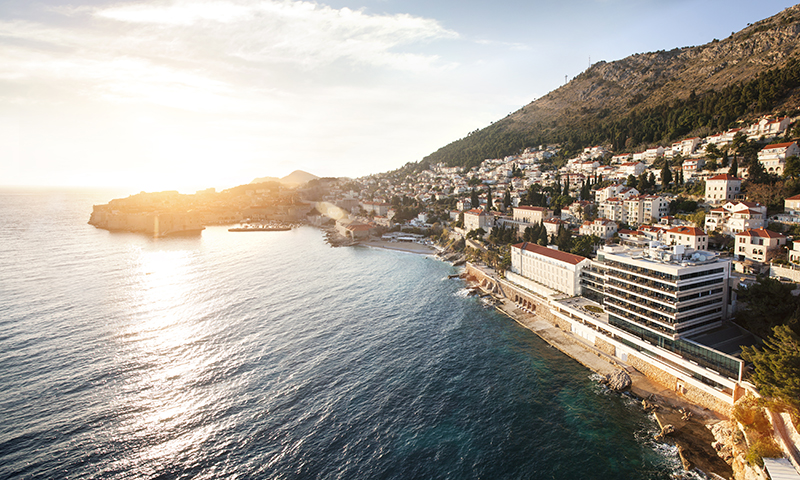
Hotel Excelsior — steps from the Old Town with direct Adriatic views
The Excelsior sits just outside the Ploče Gate, a five-minute walk from the Old Town walls. Every sea-facing room looks directly across the water to Lokrum Island, and the private beach below the hotel is one of the best places to swim in Dubrovnik without the crowds. The Salin restaurant serves refined Dalmatian cuisine, and the hotel’s location means you can walk to the Old Town for dinner and be back in your room within minutes.
Book through us for complimentary upgrades, resort credits, and VIP amenities.
Sun Gardens Dubrovnik

Sun Gardens — resort-scale comfort on the Adriatic coast
About 20 minutes from the Old Town, Sun Gardens offers a different pace — a full resort experience with multiple pools, a comprehensive spa, and spacious residences that are ideal for families or longer stays. The property sits on a hillside above its own stretch of coastline, with terraced gardens leading down to the water. It is the best option in Dubrovnik if you want a resort feel rather than a city hotel.
Book through us for complimentary upgrades, resort credits, and VIP amenities.
Hotel Dubrovnik Palace

Dubrovnik Palace — perched on the cliffs of the Lapad Peninsula
Perched on the cliffs of the Lapad Peninsula, the Dubrovnik Palace commands sunset views over the Elaphiti Islands that are difficult to beat. The hotel has both indoor and outdoor pools, a private beach reached by elevator, and a location that feels removed from the Old Town bustle while still being an easy taxi ride away. Rooms are spacious and contemporary, and the top-floor suites offer wraparound terraces.
Book through us for complimentary upgrades, resort credits, and VIP amenities.
Maslina Resort — Hvar
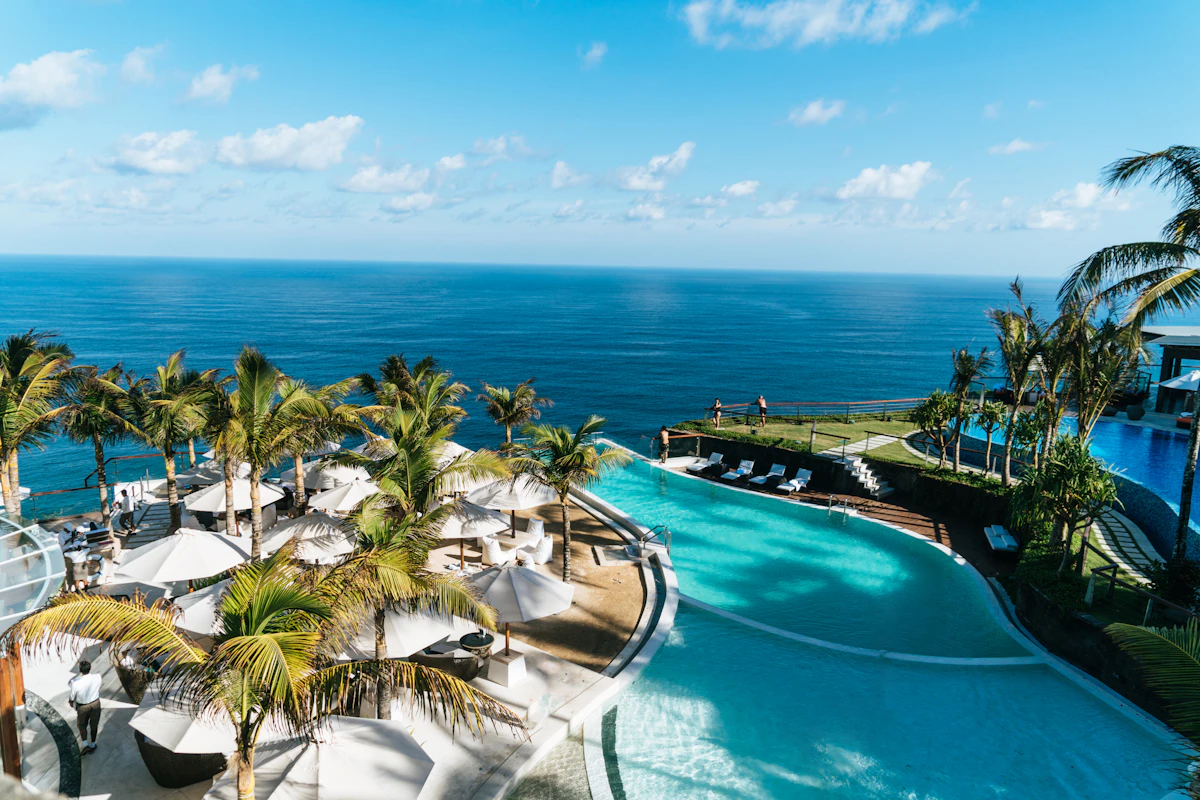
Maslina Resort — understated luxury on the quieter side of Hvar
On the quieter side of Hvar, near Stari Grad, Maslina is Croatia’s most refined resort. The design is minimalist and warm — local stone, olive wood, and clean lines that let the landscape take center stage. The spa uses organic products made from the island’s olive oil and lavender. The restaurant sources almost everything from the property’s own farm or local fishermen. And the pebble beach below the resort feels like it belongs to you alone.
Book through us for complimentary upgrades, resort credits, and VIP amenities.
Ready to start planning your Croatian adventure? We handle every detail — from hotel selection to private yacht charters and island-hopping logistics.
Request Your ConsultationWhat to Do
Croatia offers a mix of history, outdoor adventure, and island life that few destinations can match. These are the experiences our clients love most:
- Walk the Dubrovnik city walls at sunrise — the full loop takes about 90 minutes and offers views you will never forget
- Private yacht day from Hvar through the Pakleni Islands — swim, snorkel, and lunch at a waterfront restaurant on Palmizana
- Kayak along the Dubrovnik walls at sunset — paddle beneath the fortress and around Lokrum Island as the light turns golden
- Wine tasting on the Pelješac Peninsula — taste Dingač and Postup, Croatia’s best red wines, at family-run vineyards overlooking the sea
- Day trip to Kreča National Park — a chain of 16 terraced lakes connected by waterfalls, one of Europe’s most stunning natural wonders
- Explore Diocletian’s Palace in Split with a local historian — a guided walk that brings 1,700 years of history to life
- Island hop by speedboat — Hvar, Brač, and Vis in a single day, with stops for swimming and a lunch of fresh-caught fish
Three Restaurants You Cannot Miss
Nautika — Dubrovnik
Perched at the entrance to the Old Town, between the Ploče Gate and Fort Lovrijenac, Nautika is Dubrovnik’s most celebrated restaurant. The terrace hangs above the Adriatic, and on a clear evening there is no better seat in the city. The menu is refined but not fussy — fresh Adriatic seafood, local olive oil, and seasonal vegetables treated with precision and restraint. Reserve the terrace and go at sunset.
Pelegrini — Šibenik
Croatia’s first Michelin-starred restaurant sits against the wall of the Cathedral of St James, a UNESCO World Heritage Site. Chef Rudolf Štefan builds his tasting menu around hyper-local ingredients — Adriatic fish, Dalmatian herbs, island olive oils — and the result is food that tastes like the landscape itself. The setting, in a medieval stone building with candlelit tables, is unforgettable.
Konoba Mate — Dubrovnik
Up in the hills above the city, Konoba Mate is the kind of place locals take their families for Sunday lunch. The star is peka — meat or octopus slow-cooked under a metal dome covered in hot coals, served with potatoes and vegetables that have absorbed hours of smoky, savory flavor. The wine is homemade, the bread is warm, and the view over the valley to the sea will have you reaching for your camera between bites. Order the peka ahead — it takes two hours to prepare.
What to Eat
Croatian food is Mediterranean at its core but with its own distinct identity. The Dalmatian coast shares DNA with Italian cooking but keeps things simpler, more rustic, and deeply tied to the sea. Do not leave without trying:
- Peka — the signature Dalmatian dish: octopus or lamb slow-roasted under a bell-shaped lid buried in hot coals, always ordered in advance
- Black risotto (crni rižot) — cuttlefish ink rice that turns jet black, rich and briny, a coastal staple
- Fresh oysters from Ston — the small town of Ston on the Pelješac Peninsula farms some of the best oysters in the Mediterranean
- Pašticada — a slow-braised beef stew marinated in wine and vinegar, served with homemade gnocchi, a Dalmatian Sunday classic
- Grilled whole fish — simply prepared, drizzled with olive oil and lemon, eaten at a waterfront table with the sea in front of you
- Rozata — a Dubrovnik-style crème caramel flavored with rose liqueur, the perfect end to any meal
Getting Around
For the coast and islands, a combination of private transfers, ferries, and speedboats works best. Dubrovnik and Split are connected by a scenic coastal drive (about 3.5 hours) or a short flight. Between the islands, Jadrolinija ferries run on regular schedules, but for flexibility and comfort, we arrange private boat transfers that let you stop wherever the water looks good. Renting a car is useful for day trips to the Pelješac Peninsula or Plitvice Lakes, but not necessary within the cities themselves.
Why Work With a Travel Advisor
Croatia’s popularity has surged, and the logistics of island hopping, ferry schedules, and hotel availability during peak season can get complicated quickly. The difference between a smooth trip and a stressful one often comes down to having someone who knows which boats to book, which islands to visit in which order, and which properties still have availability when the popular ones are sold out.
What You Get When You Book Through Us
- Complimentary room upgrades at check-in (when available)
- Hotel resort credits of $100–$300+
- Early check-in and late checkout
- Private yacht and speedboat charters arranged
- Priority restaurant reservations at top tables
- A dedicated advisor who knows the coast firsthand
These perks are exclusive to bookings made through a Fora Travel advisor and cannot be accessed by booking direct or through online travel agencies.